Miami has long been a mosaic of global cultures, where Caribbean, Latin American, European, and American identities coexist, collide, and fuse into a singular rhythm. As cannabis culture continues to move into the mainstream, a new and unexpected trend is emerging across the city: the plant is functioning as a cultural bridge, connecting communities that once operated in separate orbits.
For decades, cannabis carried a complex legacy in Miami. From reggae and Rastafarian influences in Little Haiti to Cuban counterculture movements in the ’70s and hip-hop’s rise in Liberty City, different groups embraced the plant in distinct ways. But today’s evolving legal landscape and the city’s booming wellness and lifestyle scenes are bringing these traditions into shared spaces. The result is a more unified cultural expression—one where cannabis acts as common ground rather than counterculture.
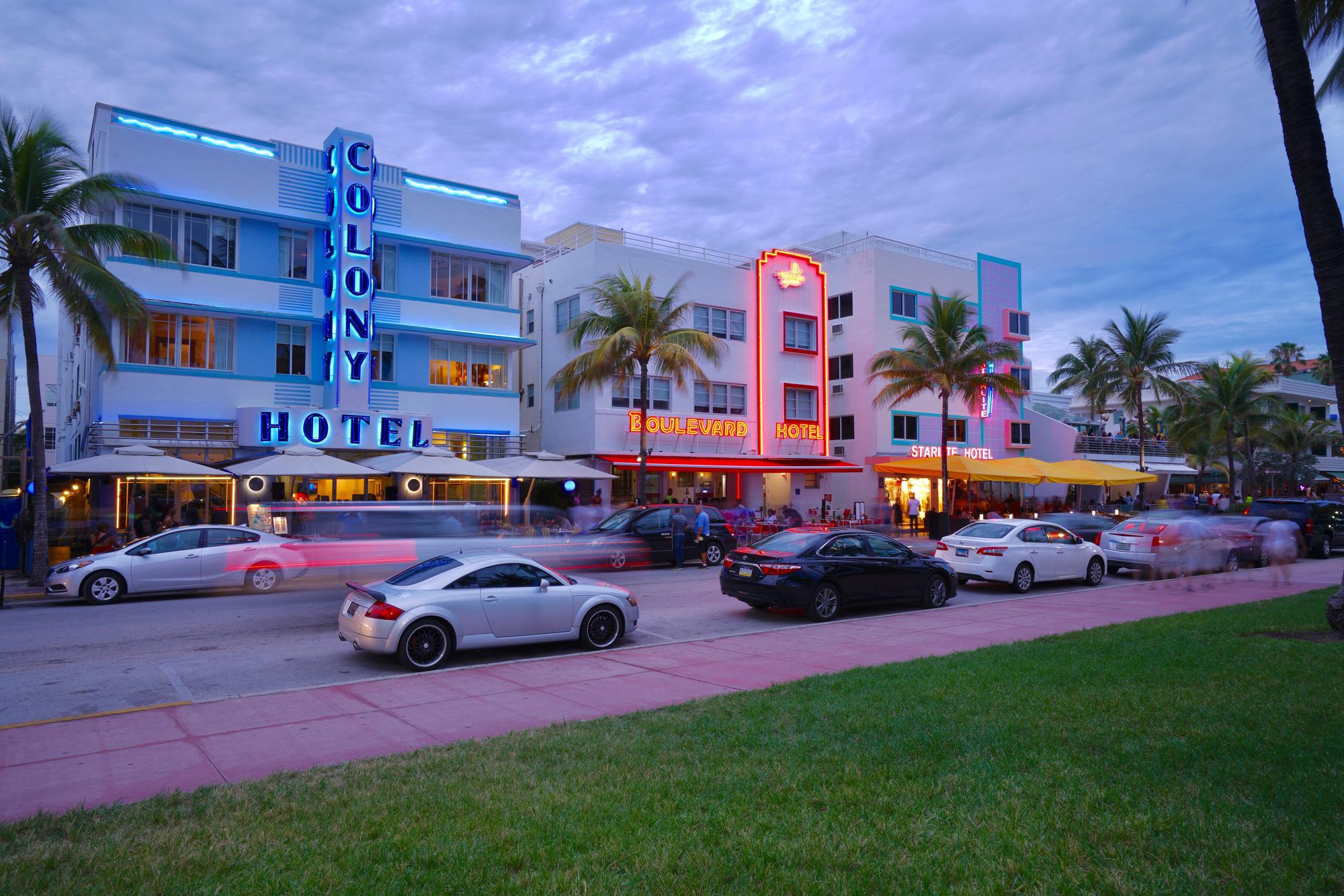
A key driver of this shift is the rise of cannabis-adjacent wellness experiences throughout Miami. Neighborhoods like Wynwood, Little Havana, Miami Beach, and North Miami are seeing an uptick in CBD lounges, infused yoga sessions, creative workshops, and community events that draw mixed audiences. These spaces often blend music, art, and food traditions, making them natural gathering points for Miami’s multicultural population. What was once siloed—Latin music events here, Caribbean gatherings there, arts festivals in another pocket—now often converges around cannabis-friendly programming.
Food, perhaps more than anything, has accelerated cannabis’s role as a cultural connector. Infused dining experiences, hosted by local chefs with backgrounds spanning Haiti, Colombia, Jamaica, Brazil, and the Dominican Republic, have become some of the city’s most innovative pop-ups. These dinners use cannabis as a creative ingredient rather than a gimmick, weaving it into traditional dishes in ways that highlight shared culinary values—fresh herbs, tropical fruits, bold spices, and slow-cooked flavors deeply rooted in Miami’s immigrant heritage.
Artists throughout Miami are also embracing cannabis as a shared creative influence. Wynwood Walls–style murals, galleries, and open-studio nights often feature cannabis-inspired themes that resonate across demographics. Whether through hip-hop, reggaeton, kompa, salsa, or electronic beats, musicians use cannabis references to connect with broad audiences who understand the plant’s cultural symbolism. This crossover of styles—blended rhythms, shared experiences, and multicultural crowds—reflects cannabis’s growing role in breaking down both linguistic and generational barriers.
Community organizations have also tapped into this trend. Educational workshops about the legal market, equity opportunities, and responsible consumption frequently draw residents from Miami’s most diverse districts. For younger Miamians, cannabis is increasingly seen less as a taboo and more as part of a shared lifestyle—one that spans neighborhoods and identities.
Still, cannabis as a cultural bridge does not erase the challenges. Differences in legal access, economic disparities, and historic enforcement patterns remain part of the conversation. Communities that faced disproportionate criminalization continue to advocate for equity in Miami’s emerging market. Local leaders and organizers argue that as cannabis unites Miami culturally, it must also bring meaningful progress on policy, opportunity, and justice.
Yet the broader narrative remains clear: throughout Miami’s shifting cultural landscape, cannabis has evolved into a unifying thread. Whether through art, cuisine, wellness, or community engagement, the plant is helping create shared experiences that celebrate the city’s diversity rather than divide it. As Miami continues to grow, cannabis is proving to be more than a product—it is becoming a cultural connector woven into the fabric of the city’s vibrant identity.